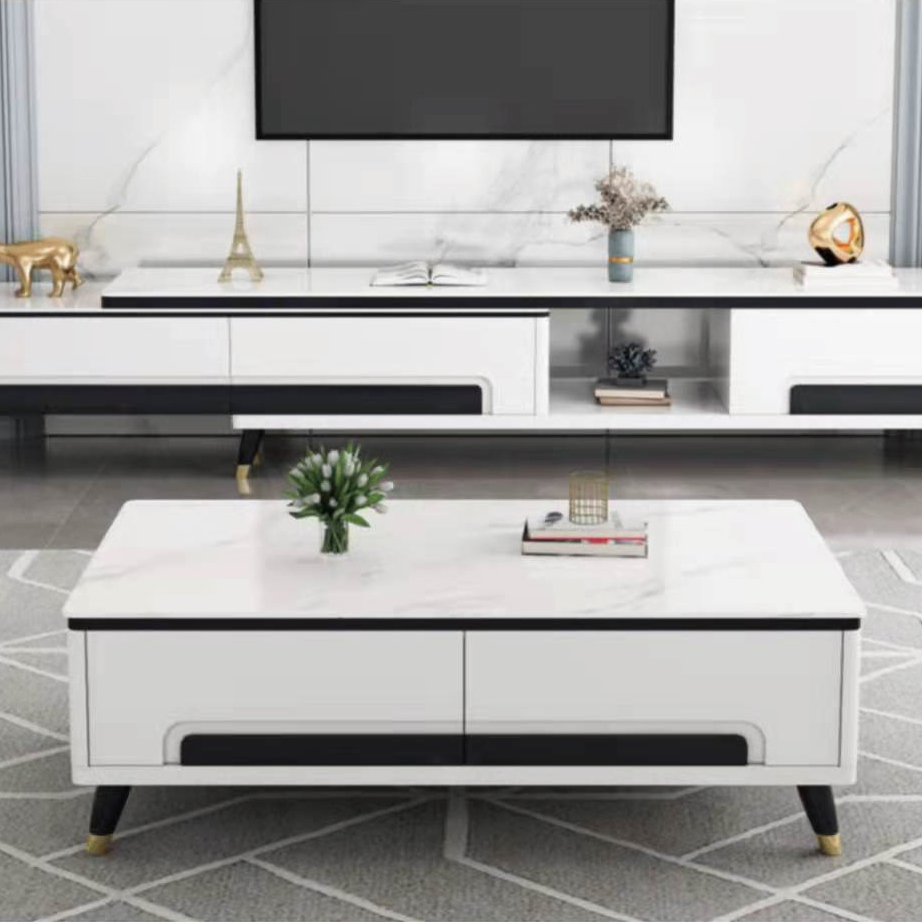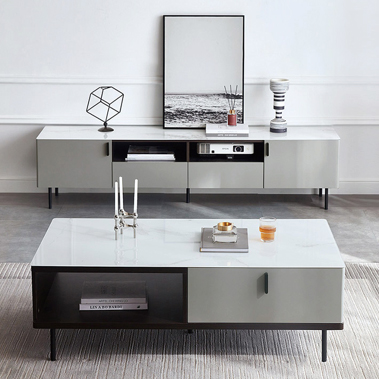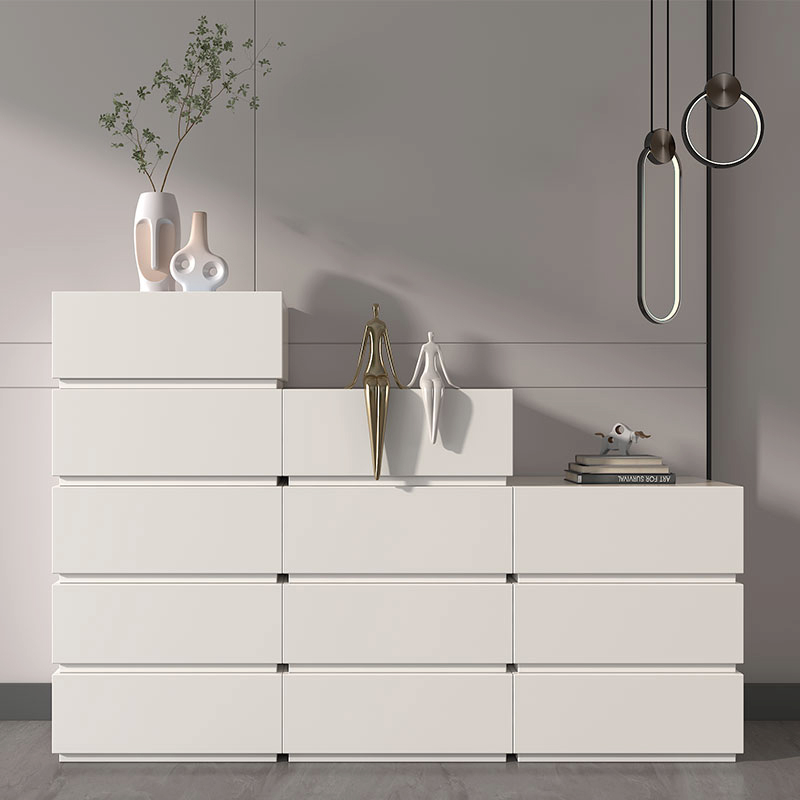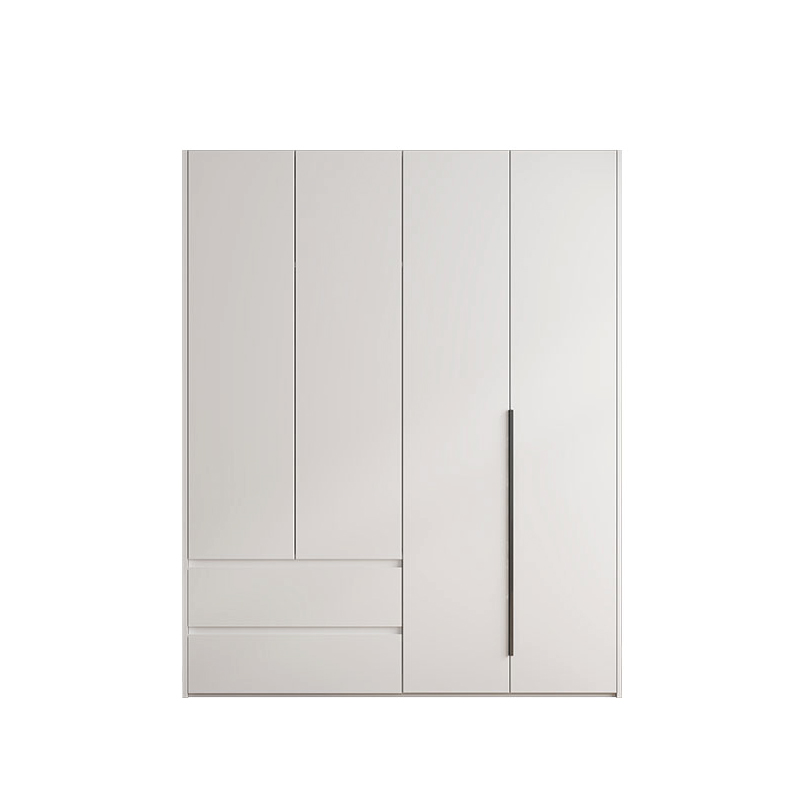
Panel furniture (made from engineered wood like particleboard, MDF, or plywood) is a leading category in global furniture exports. In 2025,
China’s furniture exports reached USD 67.81 billion, with Asia, North America, and Europe contributing over 80%. Here’s what’s shaping the
market.
1. Popular Styles
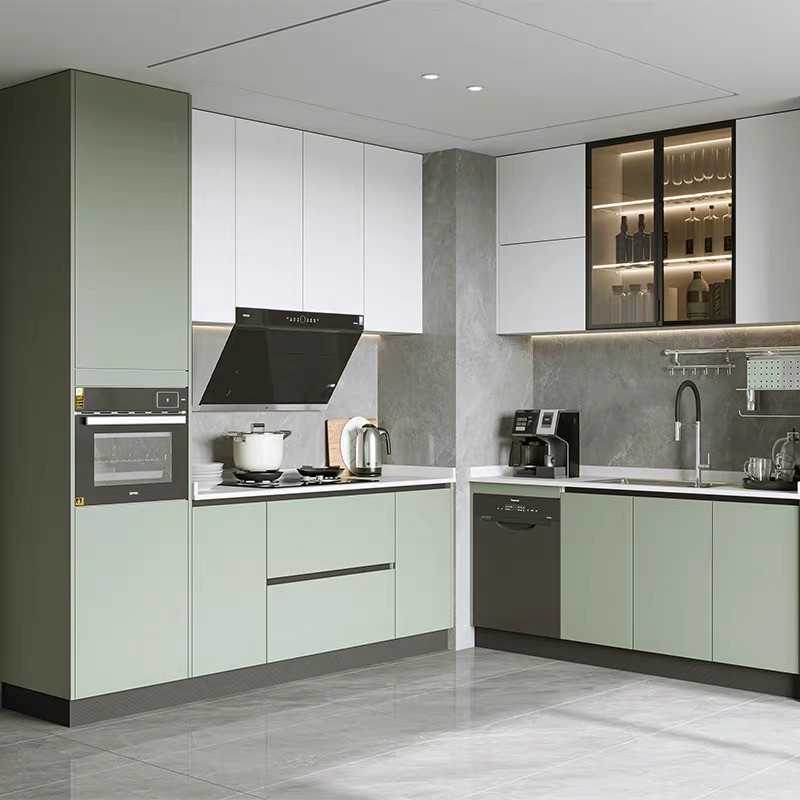
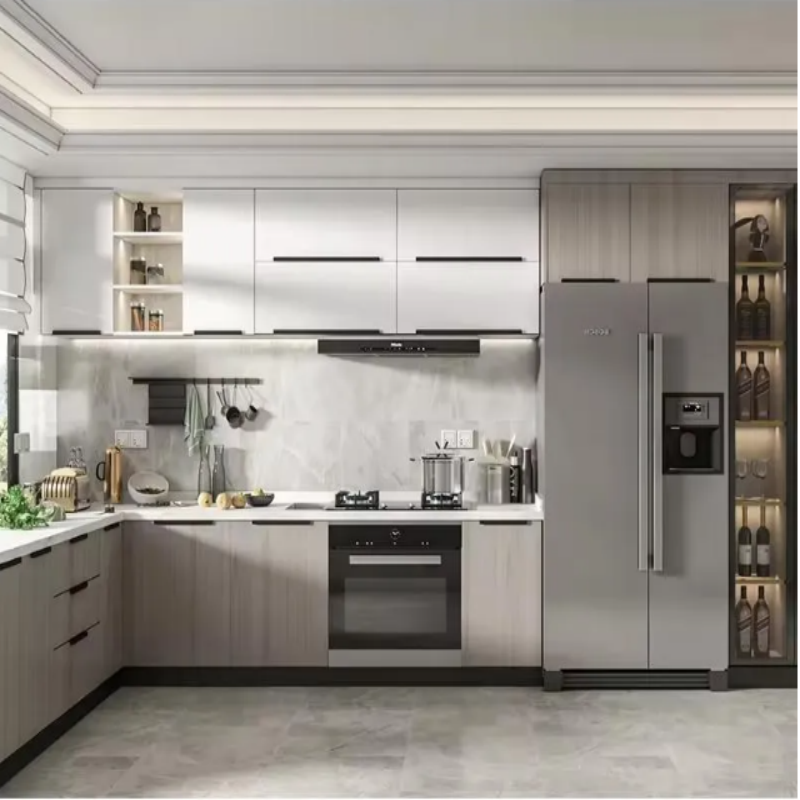
- Modern Minimalist– Clean lines, neutral colors. Popular in the US and Western Europe.
- Nordic (Scandinavian)– Light wood, soft tones. Loved in Northern Europe and Germany.
- Industrial – Metal accents, dark finishes. Strong in US urban markets.
- Modern Chinese – Traditional elements with natural materials. Favored in Asia and overseas Chinese communities.
2. Key Materials
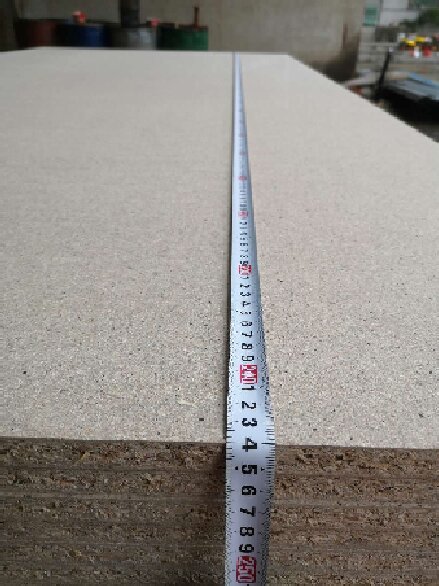
- Particleboard – Low cost, stable. Ideal for mass‑exported cabinets and shelves.
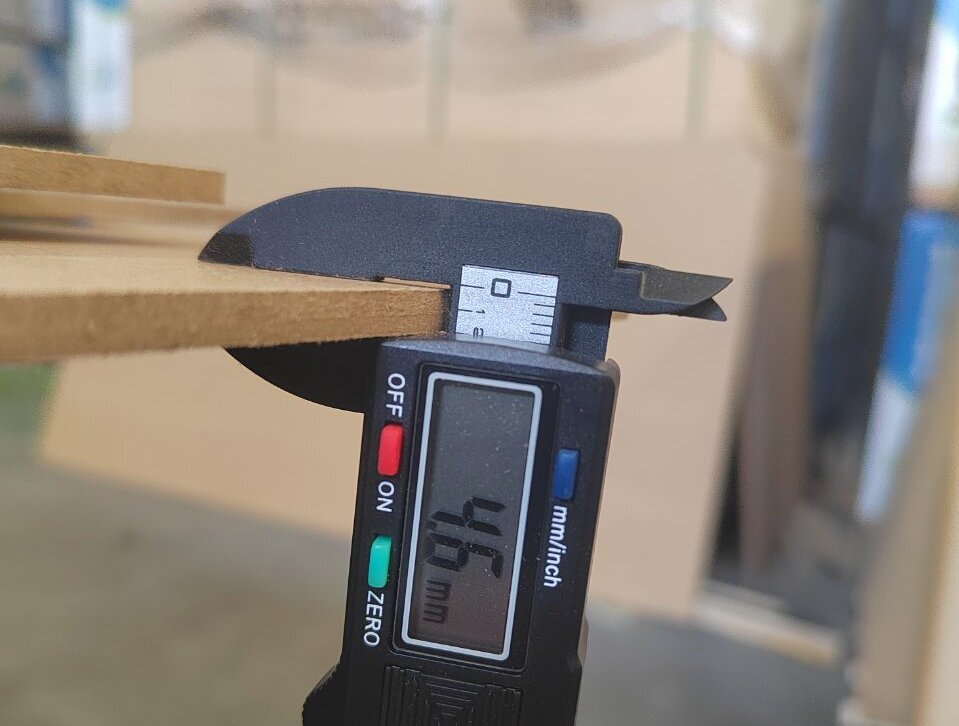
- MDF – Smooth surface, easy to shape. Widely used for doors and decorative parts.
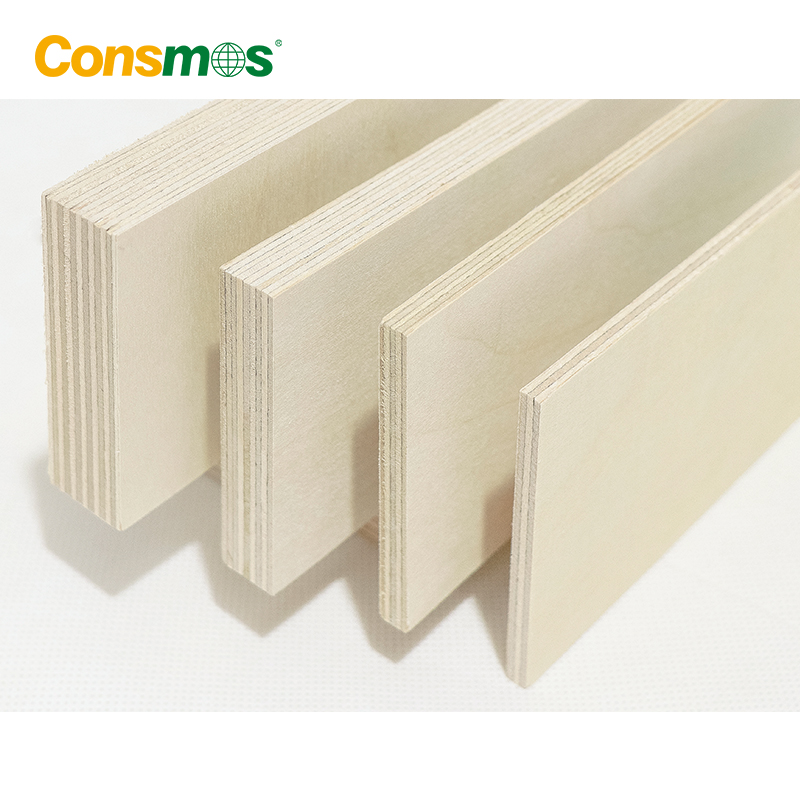
- Plywood– High strength, good screw‑holding ability. Preferred for high‑end furniture and children’s products.
Eco‑trend: FSC‑certified boards and low‑emission materials are now a baseline requirement, especially in the EU.
3. Color Directions
- Light tones(off‑white, light grey, natural wood) – for Nordic and minimalist styles.
- Muted colors (Morandi palette) – popular in Europe and Japan.
- Dark shades (walnut, dark grey) – for the US and Middle East.
- Bright accents – for small furniture targeting younger consumers.
4. Function & Features
- Modular design*– saves shipping space (flat‑pack) and allows flexible combinations. A key competitive edge.
- Smart functions– height‑adjustable desks, sensor lighting, and voice‑control compatibility (Alexa, Google Home) are growing fast.
- Health & safety – low formaldehyde (E0/E1), antibacterial surfaces, and child‑safe edges are mandatory in many markets.
5. Regional Highlights
- North America – Still the largest single market, but tariffs have shifted sourcing to Vietnam and Mexico. High‑value, cost‑effective panel furniture remains in demand.
- Europe– Strong growth to the UK and the Netherlands. Buyers demand consistent board thickness, stable quality, and full traceability for indoor air safety.
- Asia – Japan and Singapore favor space‑saving modular designs; the Middle East looks for luxurious, large‑scale pieces.
6. Quick Takeaways for Exporters
- Offer different product lines per region (eco‑certified for Europe, budget‑friendly for price‑sensitive markets).
- Modular and flat‑pack designs lower freight costs and appeal to online shoppers (over 60% of sales now happen online).
- Invest in FSC, CE, and E0/E1 certifications – they are no longer “nice‑to‑have” but “must‑have”.