Why Choose Melamine-Faced MDF?
Melamine-faced MDF has become a preferred material for furniture manufacturers and interior designers worldwide, and for good reason. Combining the engineering precision of medium density fiberboard with the decorative appeal of melamine-impregnated paper, this material offers a compelling package of benefits that make it an ideal choice for a wide range of applications.
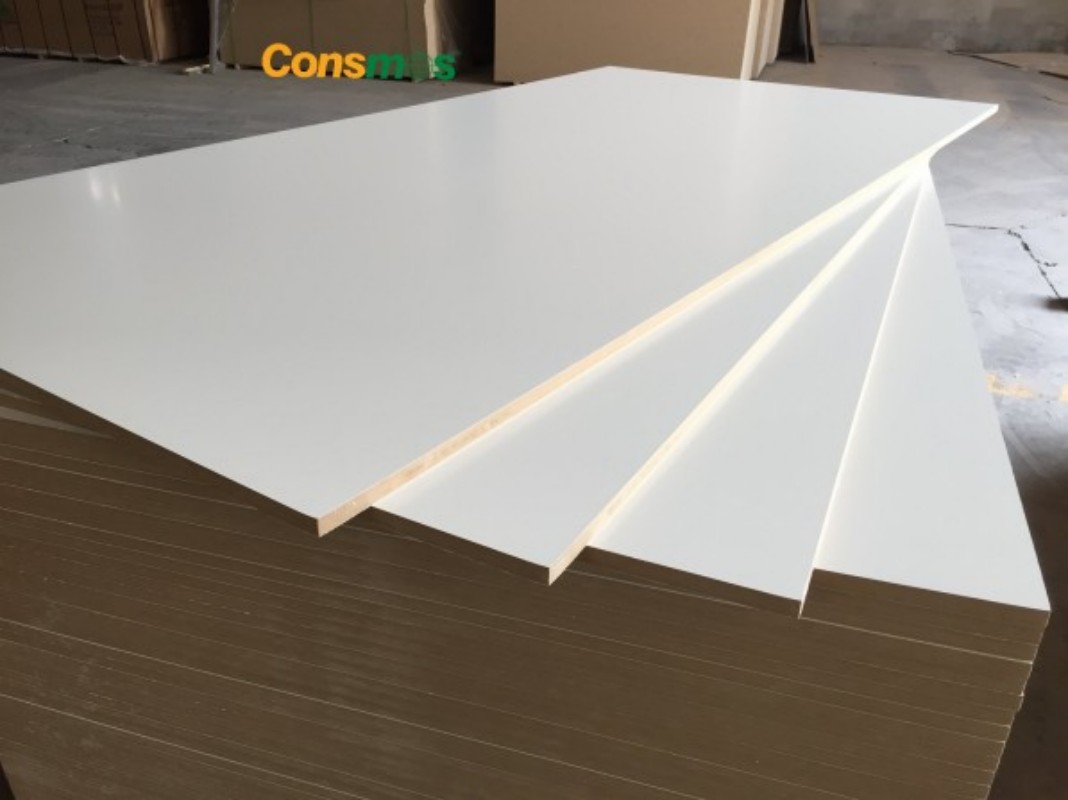
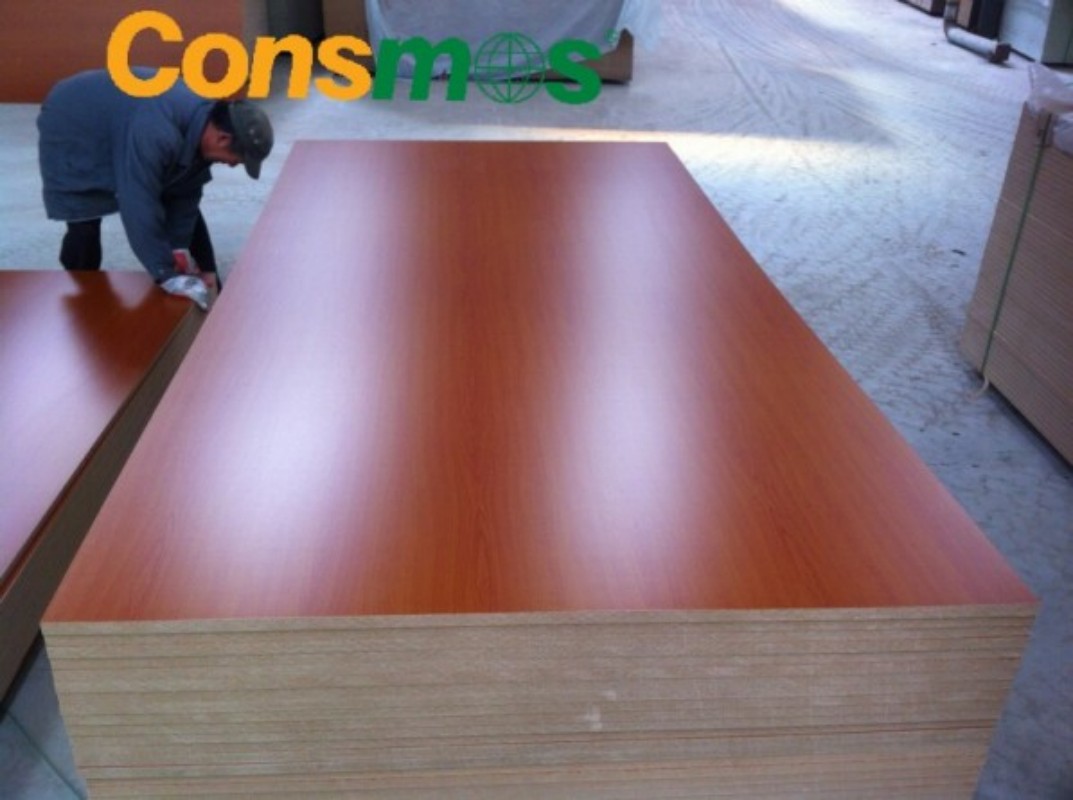
One of the most notable advantages is its exceptionally smooth and uniform surface. Unlike natural wood, which can have knots, grain irregularities, or surface imperfections, MDF is manufactured from fine wood fibers pressed into a dense, homogenous core. This creates the perfect substrate for melamine lamination, ensuring a flawless, sleek finish every time.
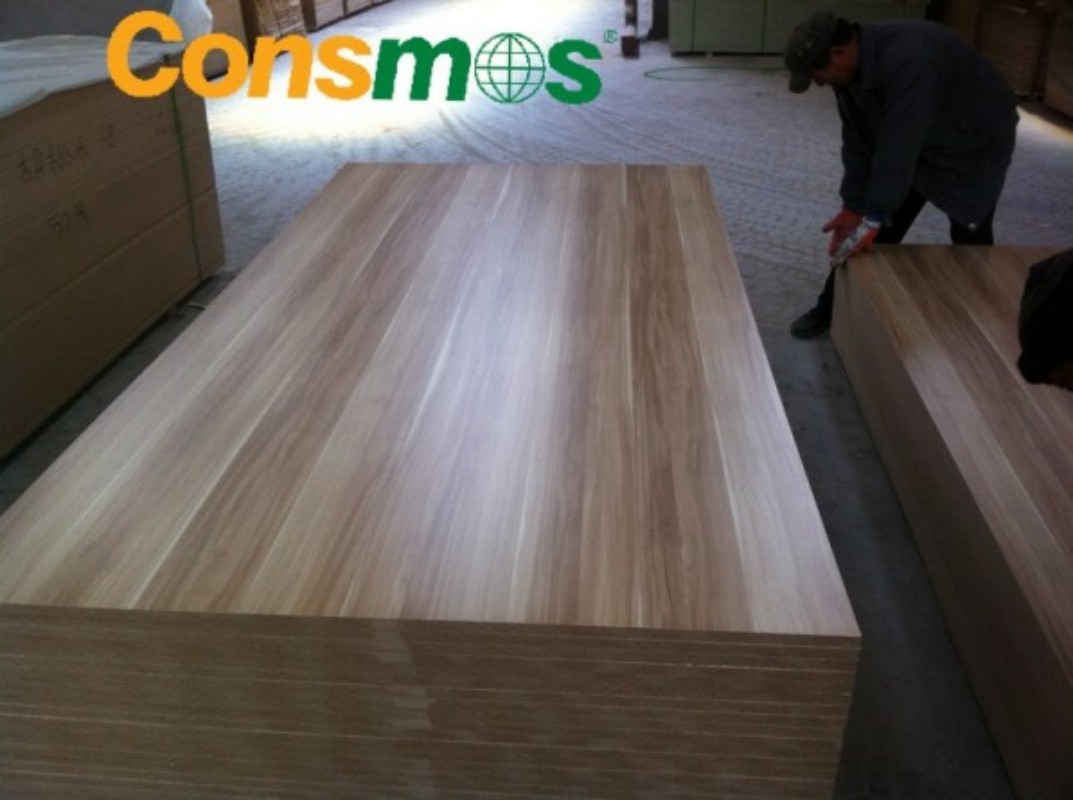
Another key benefit is its outstanding durability. The melamine overlay provides a tough, protective layer that resists scratches, stains, impacts, and fading. This makes melamine-faced MDF particularly well-suited for high-traffic areas such as kitchens, offices, and retail spaces, where furniture must withstand daily wear and tear while maintaining its appearance.

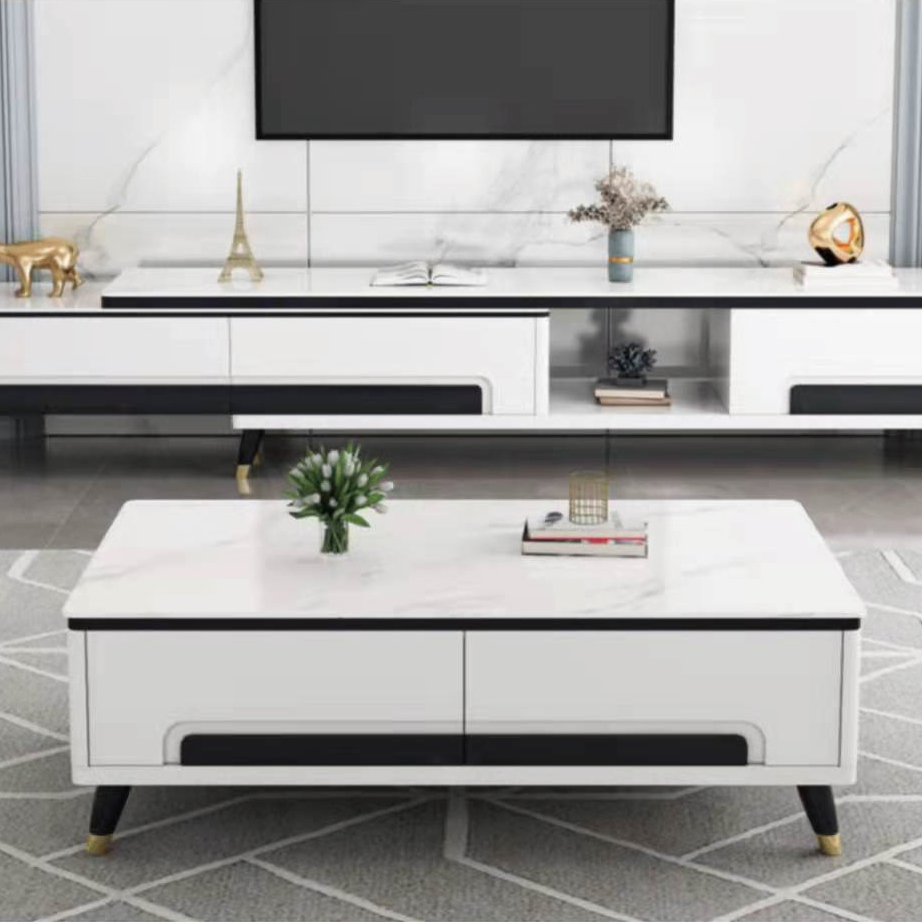
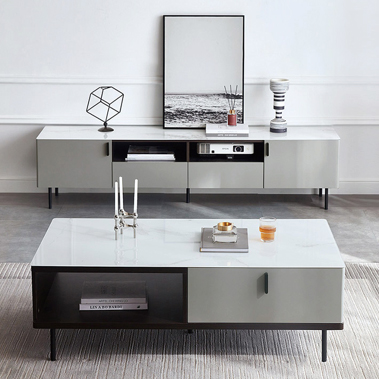
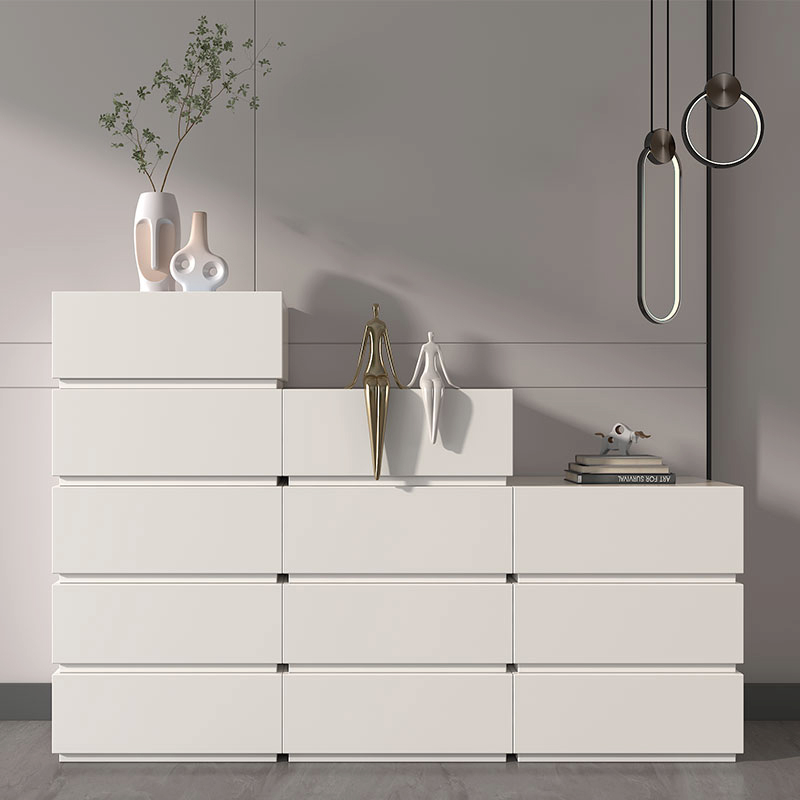
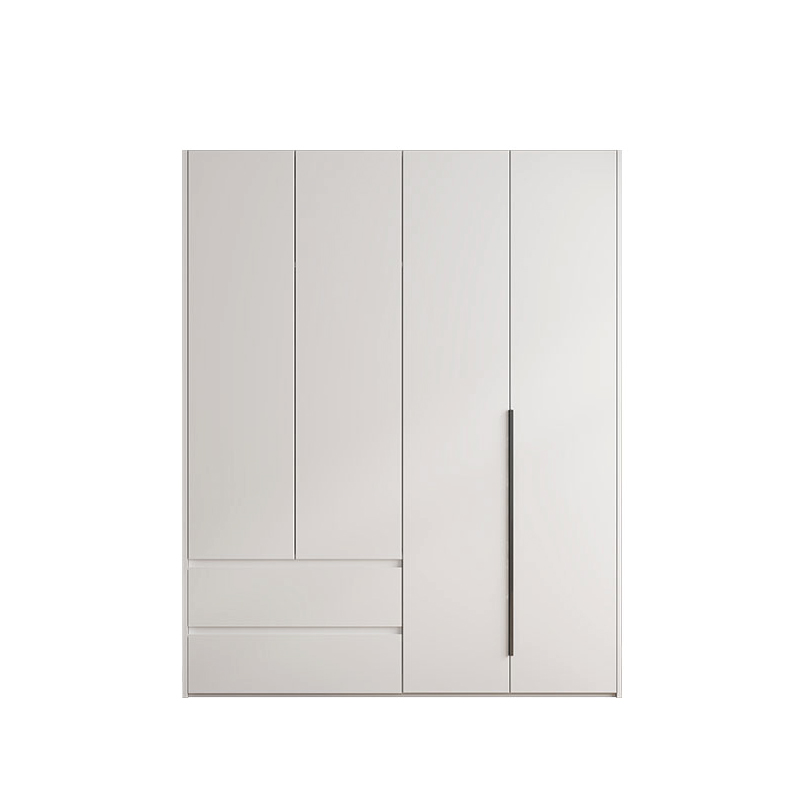
Design flexibility is yet another strength of this material. With modern printing and embossing technologies, melamine-faced MDF can replicate a vast array of finishes — from realistic wood grains and natural stone textures to elegant solid colors and contemporary patterns. Finishes are available in matte, high-gloss, or textured variations, giving designers the creative freedom to match any interior theme or market trend.
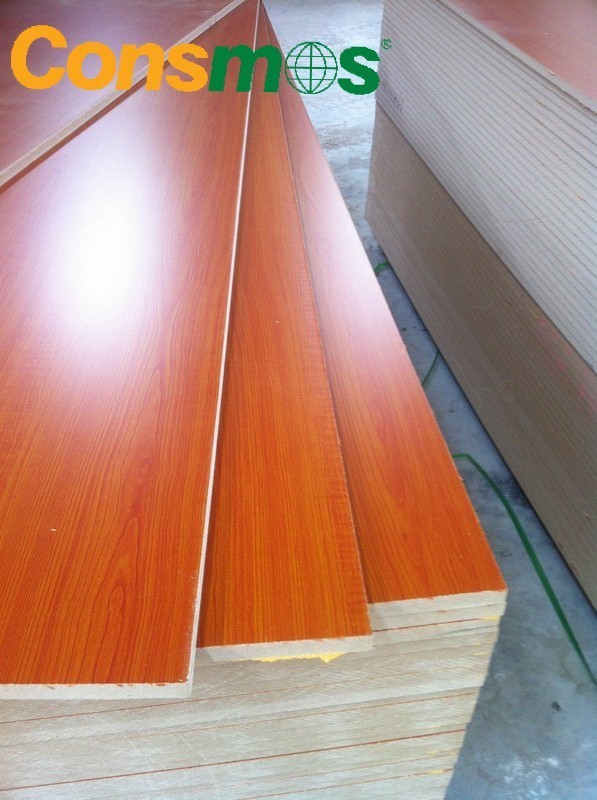
From a cost perspective, melamine-faced MDF offers exceptional value. It delivers the premium look of solid wood or lacquered surfaces at a significantly lower price point, making it an attractive option for both large-scale production and budget-conscious projects. This cost efficiency does not come at the expense of quality, as the material maintains excellent performance and longevity.
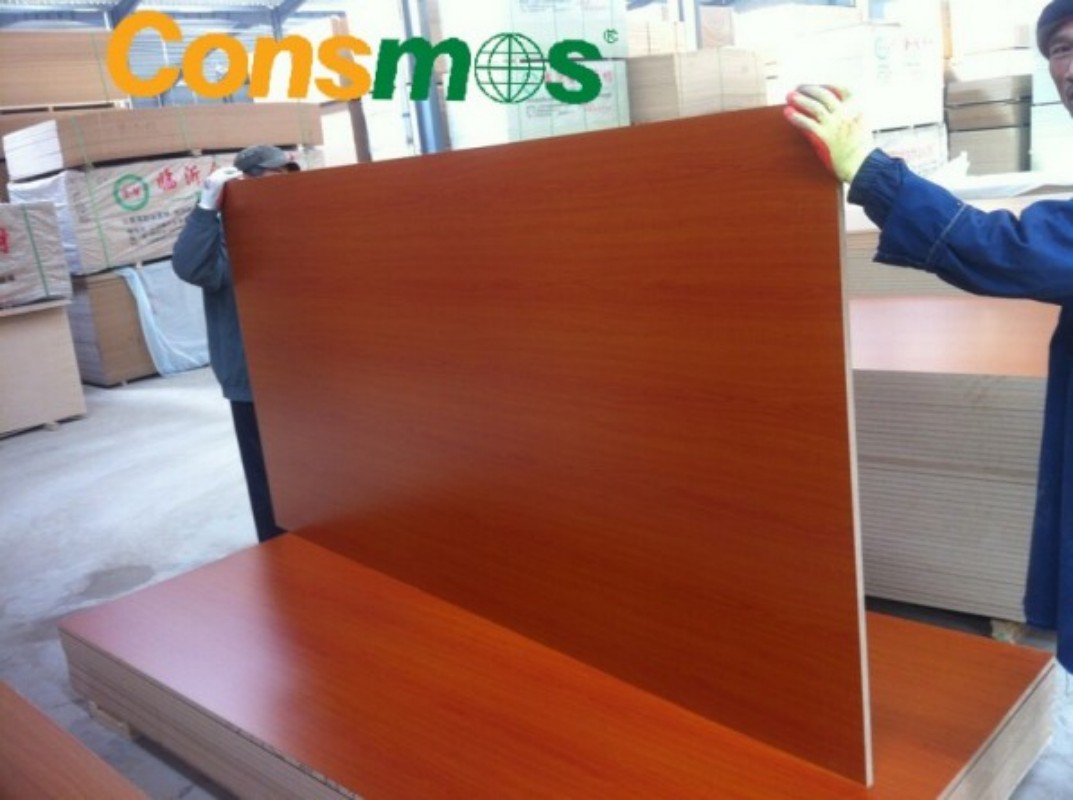
Finally, melamine-faced MDF is prized for its stability and workability. Unlike solid wood, it does not warp, crack, or expand with changes in humidity and temperature, ensuring dimensional stability over time. It cuts cleanly, drills precisely, and holds screws securely, while its lighter weight compared to solid wood simplifies handling and reduces transportation costs.
In summary, melamine-faced MDF combines smoothness, durability, design versatility, cost-effectiveness, and stability into one reliable package — making it the material of choice for modern furniture and interior projects