I. What is Blockboard?
Blockboard, also known as lumber core plywood, is a composite panel consisting of a core made of solid wood strips (core strips) sandwiched between two layers of veneer. The core strips are dried and edge-glued side by side, then covered with thin veneers on both surfaces. This unique structure combines the strength of solid wood with the dimensional stability of engineered boards.
II. Key Characteristics of Blockboard
Solid-wood core strips, tightly assembled, making the board light yet robust.
Smooth surface and uniform thickness, facilitating subsequent finishing.
Excellent screw-holding capacity, ensuring reliable hardware connections.
Moderate moisture resistance and resistance to warping.
III. Major Advantages for Furniture Applications
Superior Structural Stability
The alternating grain directions of the core strips offset the natural stresses caused by wood anisotropy. As a result, blockboard resists warping, twisting, and splitting – ideal for large-span or large-area panel furniture such as bookshelves, wardrobe doors, and tabletops.High Load-Bearing Capacity
Because the core is solid wood, blockboard exhibits much higher bending and compressive strength than particleboard or MDF. It can support heavy loads, making it suitable for load‑bearing furniture like workbenches, shelving, and bed frames.Excellent Screw-Holding and Fastening Performance
The solid wood core provides strong grip for screws, bolts, and other fittings. Even after repeated assembly and disassembly, the connections remain tight and durable.Good Machinability
Blockboard can be cut, planed, tenoned, and drilled using standard woodworking tools. Edge finishing is straightforward – it can be painted, varnished, or edge-banded, greatly improving production efficiency.Fine Surface Decorating Properties
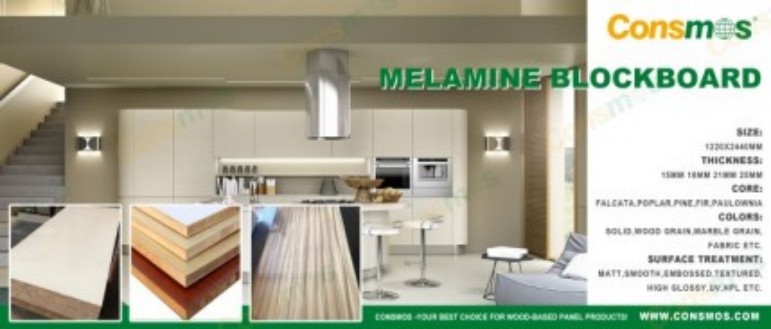
The panel surface is flat and smooth, suitable for applying natural wood veneers, melamine films, high‑pressure laminates, etc. This meets diverse design requirements for colors and textures, delivering an appearance comparable to solid wood.Relatively Environmentally Friendly
Compared to particleboard and MDF, blockboard uses less adhesive in its production, and most manufacturers apply low‑formaldehyde adhesives (e.g., modified urea‑formaldehyde glue). Qualified products can readily comply with strict environmental standards.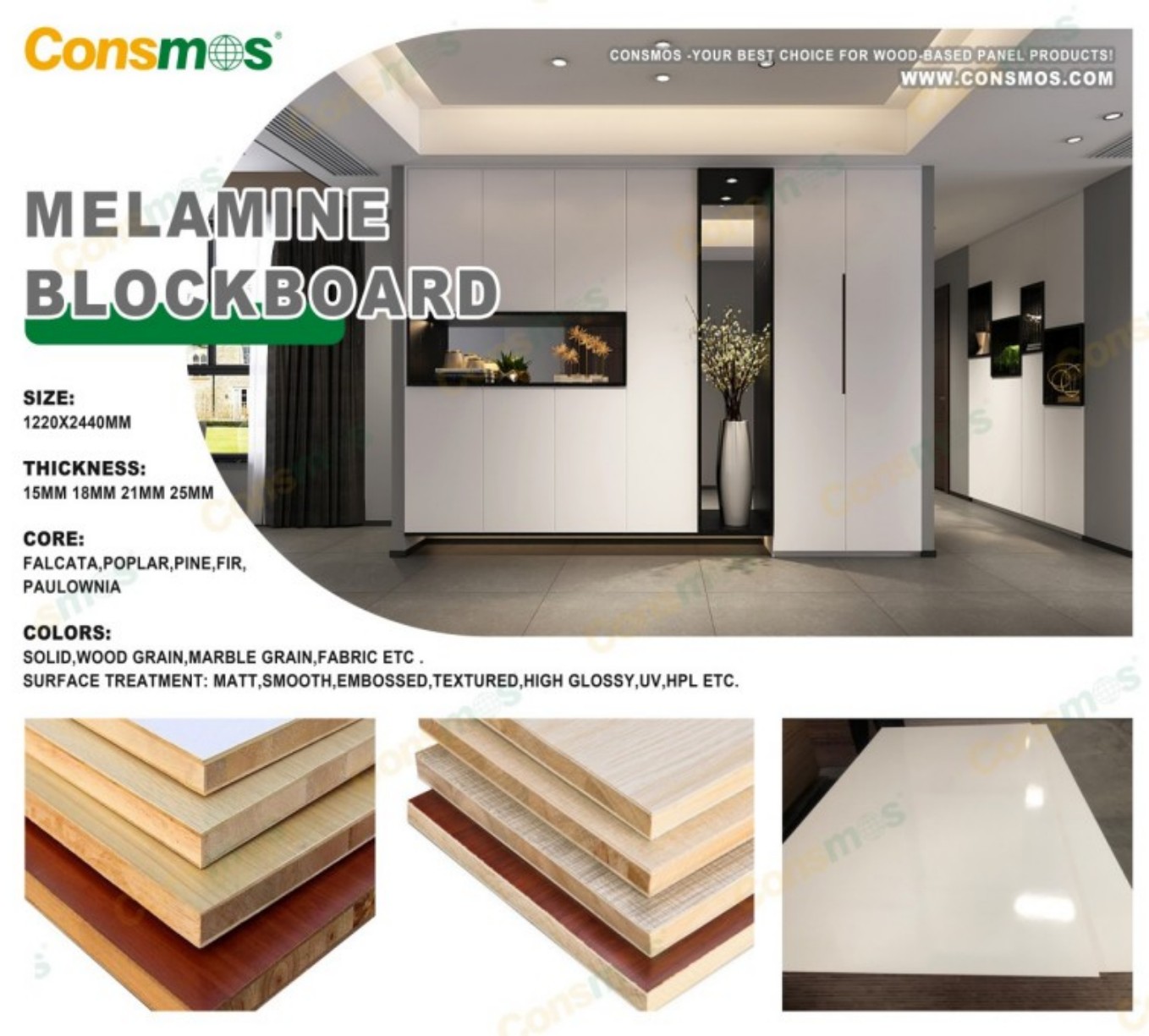
IV. Typical Applications
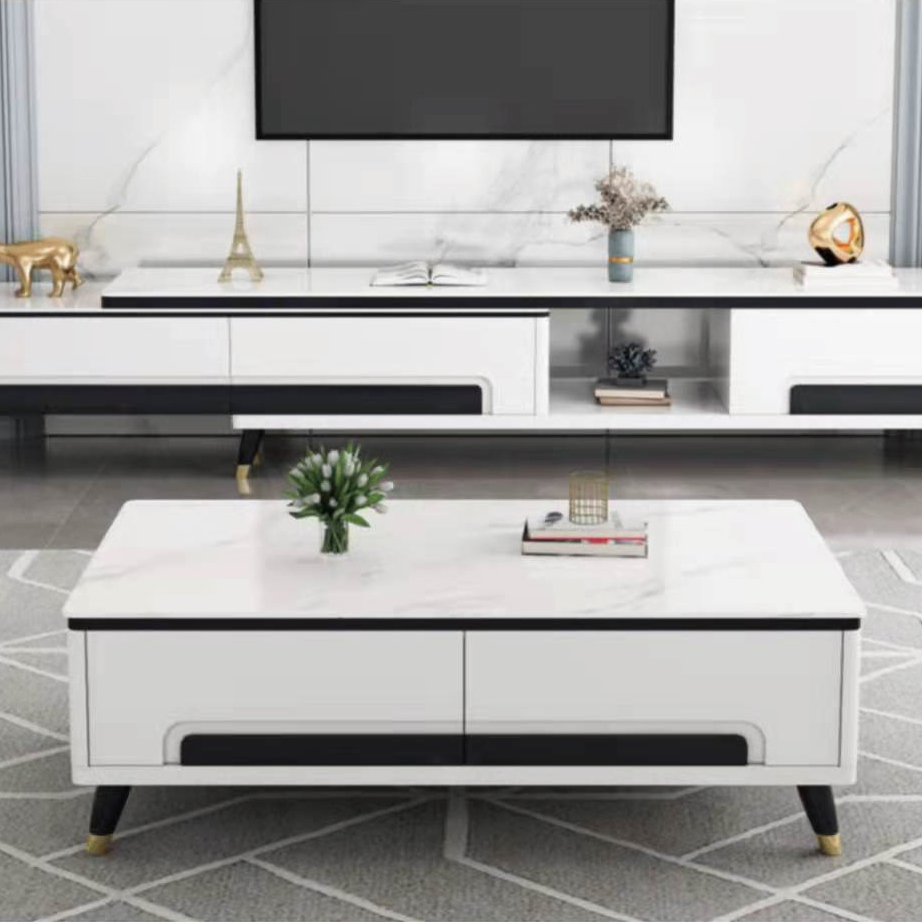
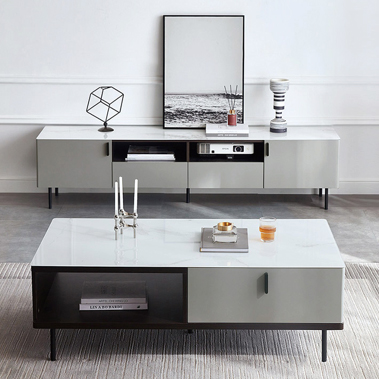
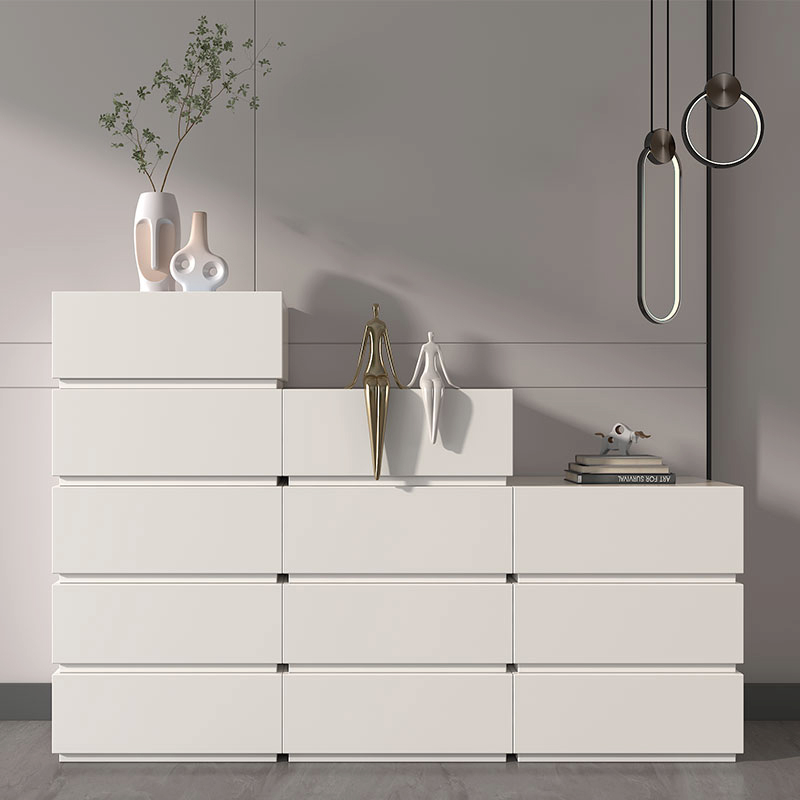
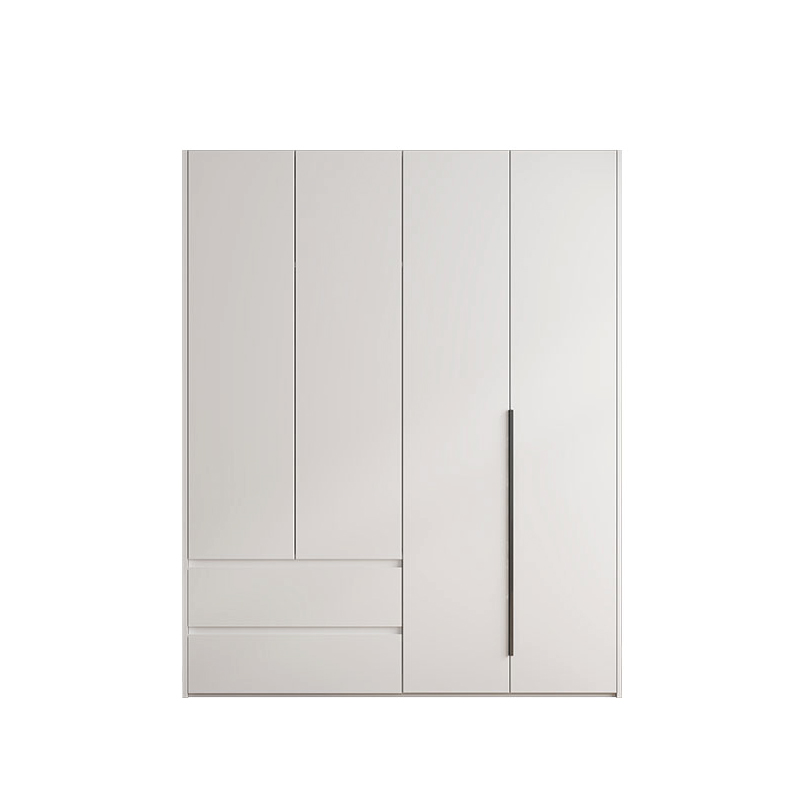
Blockboard is widely used in mid‑to‑high‑end furniture, interior doors, kitchen cabinets, partitions, display racks, and as base panels for decorative finishing. It is especially favoured for projects that demand high strength, stability, and a fine appearance.
V. Conclusion
Blockboard combines the robustness of solid wood with the flatness of engineered panels, offering excellent cost‑performance and reliable performance in furniture making. When choosing high‑quality products and applying proper working techniques, it serves as an ideal base material for producing durable, aesthetically pleasing, and eco‑friendly furniture.