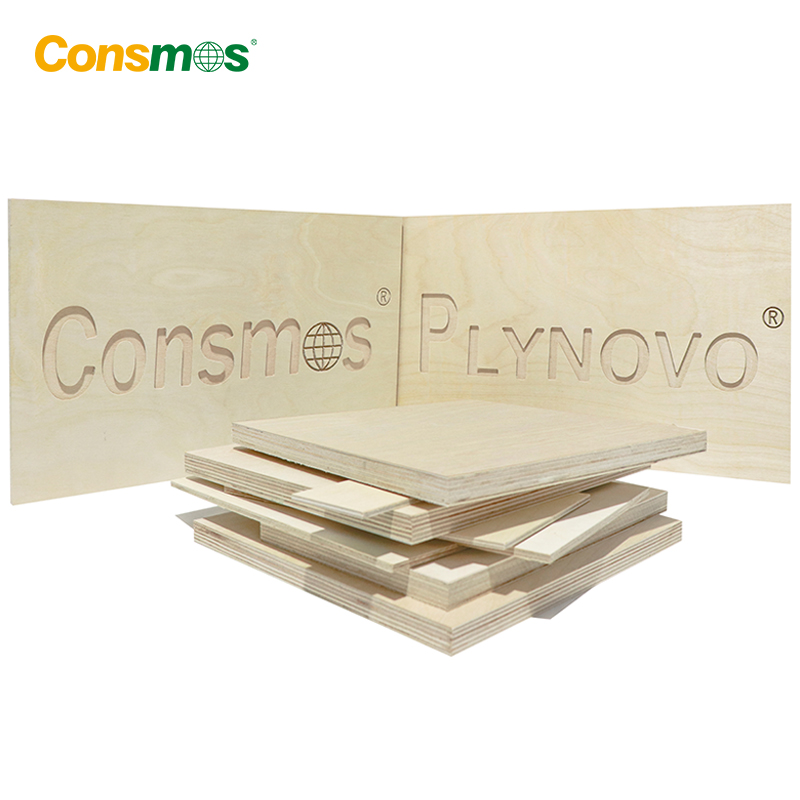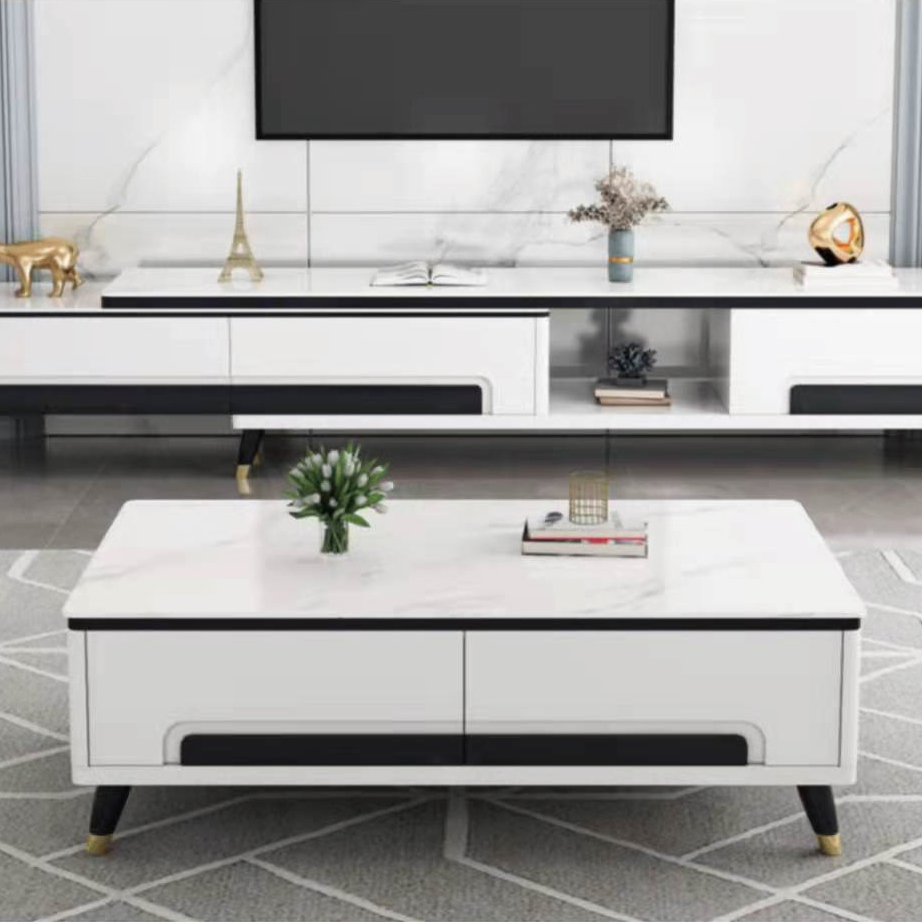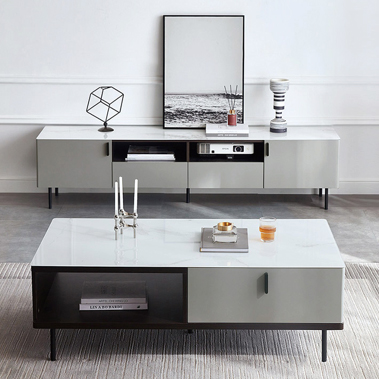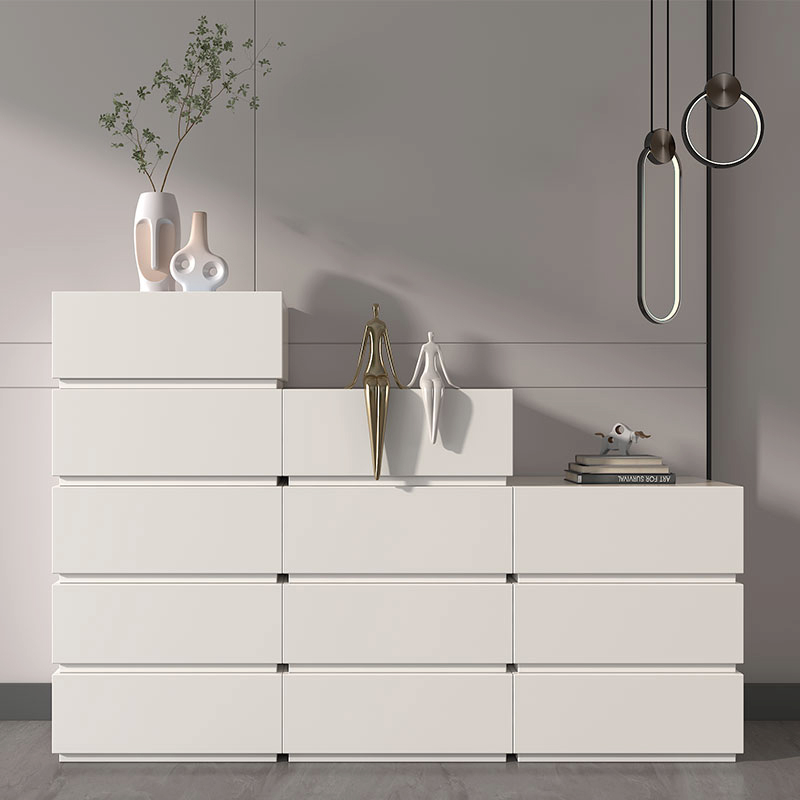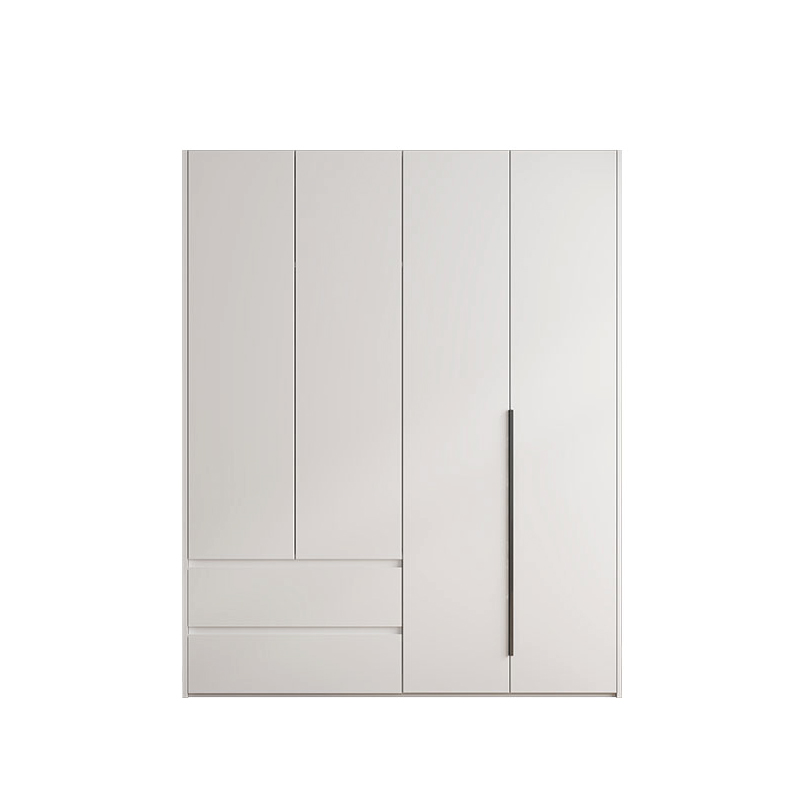
Panel furniture (made from particleboard, MDF, or plywood) is affordable and widely used. However, it often contains adhesives that release formaldehyde – a colorless gas that can irritate eyes, nose, and throat, and is classified as a carcinogen with long-term exposure.
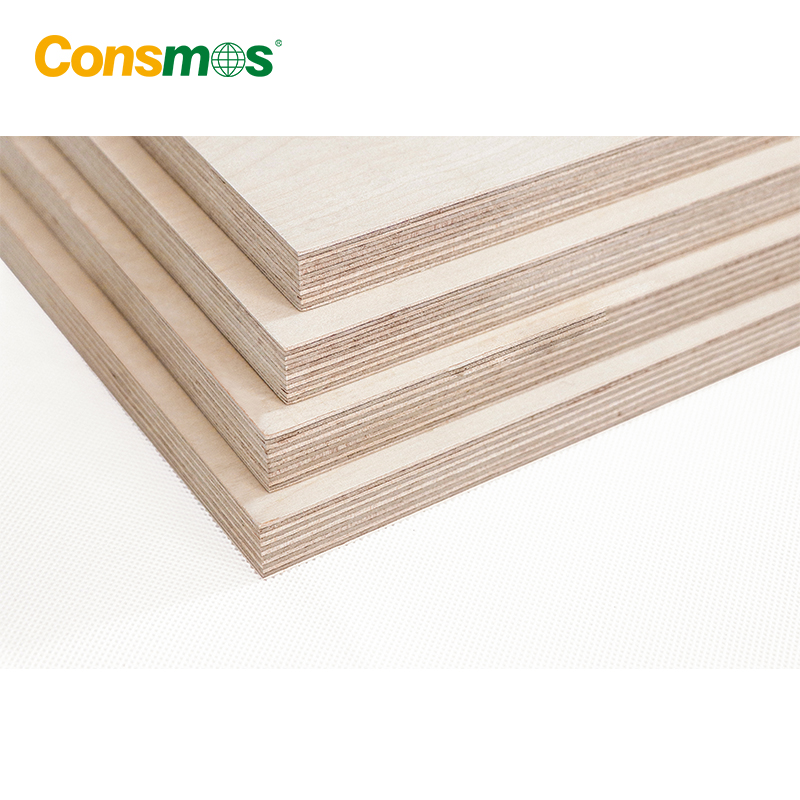
Why does it happen?
Most wood-based panels use urea-formaldehyde (UF) resins. These slowly emit gas into your home, especially when new or in warm, humid conditions.
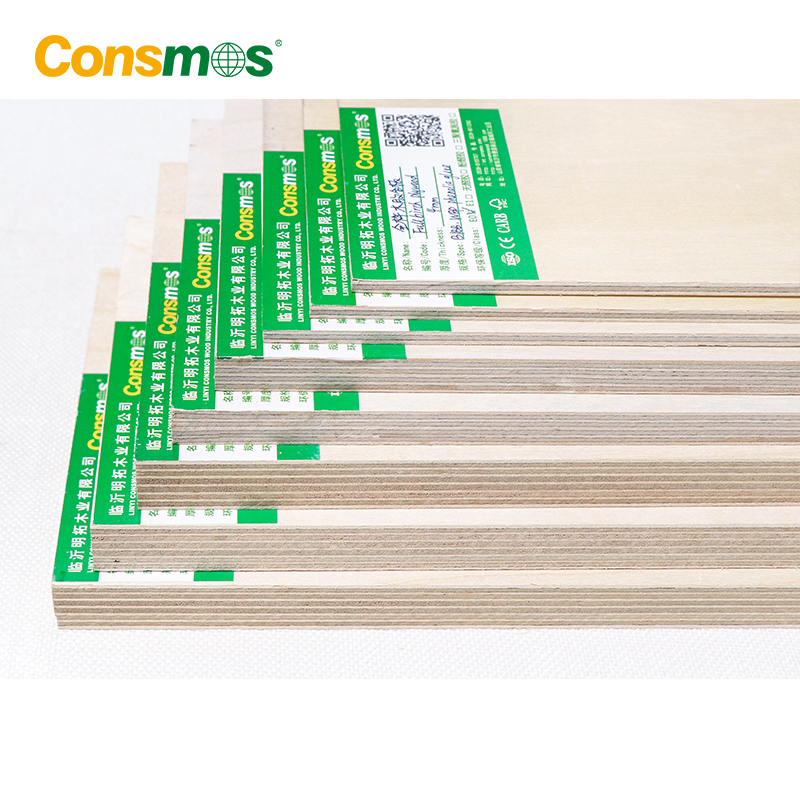
Safety standards to look for:
E0 / E1 grade (European/Chinese): E1 is considered safe for indoor use; E0 has even lower emissions.
CARB Phase 2 (California): One of the strictest limits.
NAF (No-Added Formaldehyde): Uses alternative binders – safest but pricier.
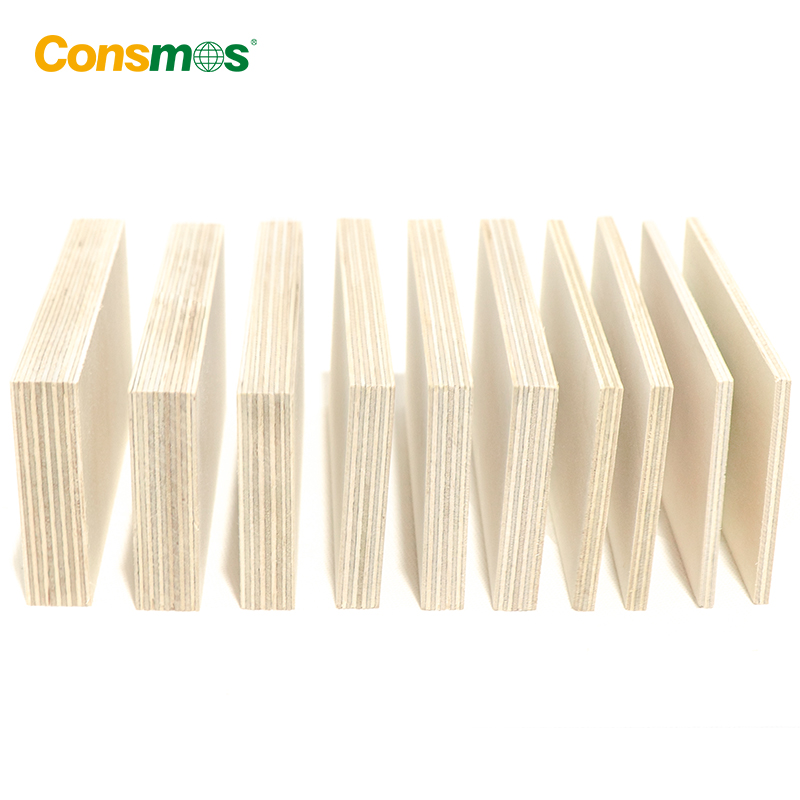
Quick tips to reduce risks:
Buy low-emission products – Look for E1, CARB, or NAF labels.
Ventilate – Open windows daily, especially for the first few months.
Seal edges – Unsealed edges release more gas; use edge banding or sealers.
Use air purifiers – Those with activated carbon filters help.
Avoid heat and humidity – They accelerate emissions.
Bottom line: Panel furniture is fine for most homes if you choose compliant products and ventilate properly. For nurseries or bedrooms, consider solid wood or NAF-certified options.